Add Some Vitality to Your Cats' Life
How I changed My Cats Nutrition- And Watched Them Come Back to Life
12/15/20254 min read
How I Changed My Cats’ Nutrition — And Watched Them Come Back to Life
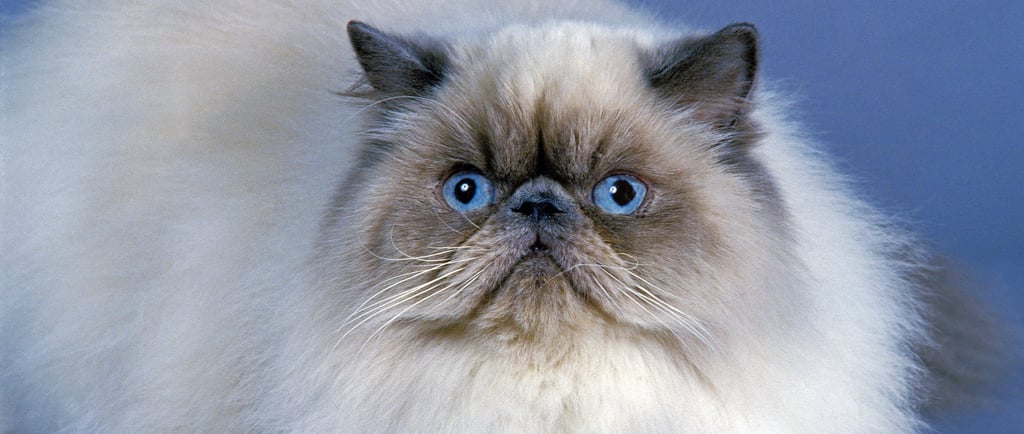
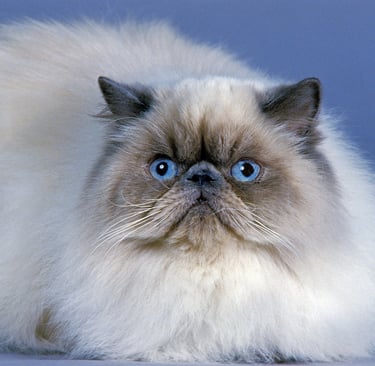
My need for this Knowledge started when I was in my 20's. Then my search for help for my kitties was KICKED into highgear. I had four cats at the time. The kittens were, of course, full of energy. But the two adult cats — while not sick — were noticeably slowing down. They slept more, played less, and were starting to act old. I found some information that sent chills down my spine and made my eyes pop open. You see just a few months prior. We lost one of our most beloved cats — an Exotic Persian who passed away on his 13th birthday due to chronic heart trouble. Losing him was devastating, and it made me start questioning something I had never really questioned before:
Was the food we were feeding our cats actually nourishing them?
The Article That Changed Everything
I came across an article that stopped me in my tracks. It explained that most commercial kibble and canned pet foods are essentially “dead” foods by the time they reach our pets’ bowls.
According to the article:
High heat processing breaks down amino acids
Enzymes are destroyed
Probiotics are killed
Synthetic vitamins, minerals, and amino acids are sprayed back on afterward
Then the food is bagged or canned, stored in warehouses for unknown periods, shipped across the country, and finally placed on store shelves — where it may sit even longer before we buy it.
By the time it reaches our homes, the food may technically meet nutritional requirements on paper, but biologically, it’s missing many of the elements that help a living body truly thrive.
The article went on to say something that really stuck with me:
While most cats today die from cancer or chronic heart disease, and the average cats' lifespan is only 10–15 years.
With proper nutrition, there’s no reason a cat shouldn’t live closer to 20 years, barring accidents or unavoidable illness.
Digging Deeper Into the Science
I didn’t want to take this at face value, so I started researching on my own. This is a very abbreviated version of what I learned from scientists and doctors.
Amino Acids and Heat
Amino acids don’t “die,” but they can chemically decompose when exposed to extreme heat (typically above 180–200°C). At those temperatures, amino acids can lose water, ammonia, or carbon dioxide, changing into entirely different compounds.
While normal cooking denatures proteins (which the body can still break down), extreme heat can permanently alter the amino acids themselves.
I asked AI this question:
If the chemical identity of an amino acid is altered by heat, can the body still use it nutritionally?
The answer:
No. If an amino acid’s chemical identity is permanently altered, the body generally cannot use it for its specific nutritional purpose.
Enzymes and Probiotics
Enzymes are destroyed by excessive heat because heat breaks the fragile bonds that give them their working shape.
Probiotics are living organisms, and temperatures above 120°F (49°C) can kill most of them by damaging their cellular structure.
So while pet food may contain enzymes and probiotics before processing, very little — if any — survive by the time the food is served.
My Decision: Put Life Back Into Their Food
After reading and researching for weeks, I decided it was time to put amino acids, enzymes, and probiotics back into my cats’ diet.
There are several products available, but after careful consideration, I chose these options.
👉 Nutra Thrive on Amazon: https://amzn.to/4s0ah0f
As an Amazon Associate I earn from qualifying purchases
Or if you are like me enjoying Your Coffee with Mushrooms for the energy and immune boost we have that for our kitties too. Here is a blend of Turkey Tail mushrooms, Amino acids, enzymes, and other vitamins.
The Results Were Immediate
Within just a few days, I noticed a change — especially in my young adult cat.
He started:
Romping around
Playing with the kittens
Moving like he was a kitten again himself
Nothing else had changed — same environment, same routine — except what I was adding to their food.
That alone told me I was on the right track.
Adding Salmon Oil for Coat and Heart Health
A few years later, I noticed one of my cats’ coats looked a little dry. For that reason — and for the well-documented heart-healthy benefits — I decided to add salmon oil to their diet.
I’ve written a separate blog covering the benefits and cautions of fish oil for cats titled:
“Is It Beneficial to Feed My Persian Cat Fish Oil”
This is the salmon oil I personally use for my own cats:
Salmon Oil on Amazon: As an Amazon Associate I earn from qualifying purchases
👉 https://amzn.to/48BgLLt
Final Thoughts
I’m not claiming that supplements alone can prevent every illness or guarantee a long life. But based on my experience, I truly believe that modern pet food is missing key biological components, and adding them back made a noticeable difference in my cats’ energy, playfulness, and overall vitality.
That said, it’s always a good idea to involve your vet—especially if your cat is on medication or being treated for any health condition—before introducing anything new to their diet. A quick phone call certainly couldn’t hurt. As my grandma always said, an ounce of prevention is worth a pound of cure.
Sometimes, the smallest changes can have the biggest impact — especially when it comes to nutrition
Some research if you want to dig deeper:
1.VCA Animal Hospitals – Nutrient Requirements for Cats
2.foodtechpathshala.com/science-of-protein-denaturation-by-heat
3.Association of American Feed Control Officials (AAFCO).Association of American Feed Control Officials (AAFCO)
5.Pion, P.D. et al. (1987) Journal of the American Veterinary Medical Association
6.National Library of Medicine https://pubmed.ncbi.nlm.nih.gov/20804626/
Contact
Questions? Reach out anytime, we're here.
© 2025. All rights reserved.