The Differences Between Cats and Dogs
Why things like diet matters more than you think
12/19/20253 min read
The Differences Between Cats and Dogs: Why Diet Matters More Than You Think
Meow or woof?
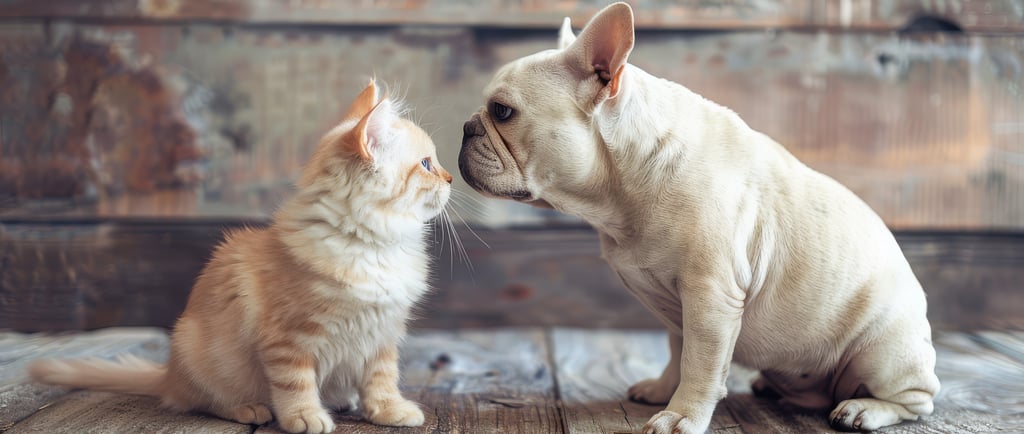
A soft purr and a gentle rub, or an enthusiastic tail wag and a goofy smile—cats and dogs express affection in very different ways. While these traits are easy to spot, the most important differences between cats and dogs aren’t always obvious. In fact, some of the biggest differences between cats and dogs are hidden inside their biology—especially when it comes to diet.
If you’re thinking about caring for a cat, understanding these differences isn’t optional. It’s essential.
Personality: Pack Member vs. Independent Thinker
Dogs are pack animals by nature. They tend to see their human family as their pack, often looking to their owner as the leader. This is why dogs usually thrive on direction, training, and praise—they genuinely enjoy pleasing their humans.
Cats are different. They are more independent creatures. While they enjoy companionship and form strong bonds, they are generally less driven by approval. This independence carries over into many aspects of their care, including how—and what—they eat.
A Critical Difference: What They’re Meant to Eat
One of the most important deference between dogs and cats lies in their nutritional needs.
Dogs are omnivores. They can eat a balanced diet that includes both animal and plant-based ingredients.
Cats are obligate carnivores. This means they must eat meat to survive.
Cats rely on animal protein to obtain essential amino acids such as taurine and arginine, which their bodies cannot produce in sufficient amounts. Unlike dogs, cats cannot adapt to low-protein or plant-heavy diets. They also can’t taste sweetness, which reflects how little their bodies are designed to use carbohydrates.
Why Protein Is Non-Negotiable for Cats
Cats have a constantly high demand for protein. Their bodies are built to break down protein and amino acids for energy, and they cannot “switch gears” when protein intake is low. Dogs, on the other hand, can adapt to varying protein levels without the same risk.
Dogs are better at digesting carbohydrates thanks to enzymes like amylase. Cats lack certain enzymes, such as glucokinase, making them far less efficient at processing carbohydrates. Diets that are too high in carbs can lead to health problems for cats over time.
Cats primarily rely on protein and fat for energy, using a process called gluconeogenesis, where glucose is made from protein rather than carbohydrates. Dogs can comfortably use carbohydrates as a main energy source—cats cannot.
How Cats Eat Matters Too
Both dogs and cats enjoy their food, but their feeding patterns are different.
Cats do best with smaller, more frequent meals throughout the day. They have a higher requirement for essential amino acids and fatty acids, and their bodies use these nutrients quickly. Cats also struggle to conserve certain amino acids—such as methionine, cysteine, taurine, and arginine—which means they must consume more of them regularly.
In addition, cats appear to require higher levels of several B-vitamins compared to many other species, further highlighting the importance of a diet designed specifically for them.
👉 Nutra Thrive on Amazon: https://amzn.to/4s0ah0f
As an Amazon Associate I earn from qualifying purchases
Why This Knowledge Matters
Feeding a cat like a small dog can lead to serious health consequences. Understanding that cats are obligate carnivores—not just “picky eaters”—is one of the most important responsibilities of cat ownership.
A species-appropriate diet isn’t a preference for cats; it’s a biological necessity.
For a deeper look into feline nutrition, be sure to read another of my Blogs
“Add Some Vitality to Your Cats' Life.”
Some research if you want to dig deeper:
1 .National Library of Medicine(NLM) https://pmc.ncbi.nlm.nih.gov/articles/PMC9942351/
2.Pet. Med. https://www.petmd.com/cat/nutrition/do-cats-need-high-protein-cat-food
3.Veterian Key https://veteriankey.com/the-unique-nutritional-requirements-of-the-cat-a-strict-carnivore-2/
Contact
Questions? Reach out anytime, we're here.
© 2025. All rights reserved.